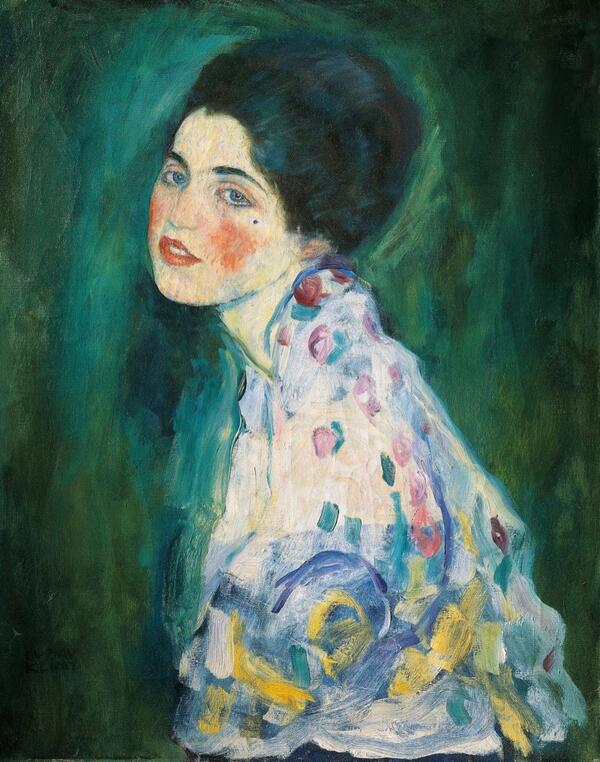
Gustav Klimt (1862–1918)
The leader of Vienna's artistic rebellion transformed decoration into high art. His gold-leafed figures, sensual portraits, and shimmering landscapes fused Byzantine opulence with modern psychology.
The leader of Vienna's artistic rebellion transformed decoration into high art. His gold-leafed figures, sensual portraits, and shimmering landscapes fused Byzantine opulence with modern psychology.
More from this artist
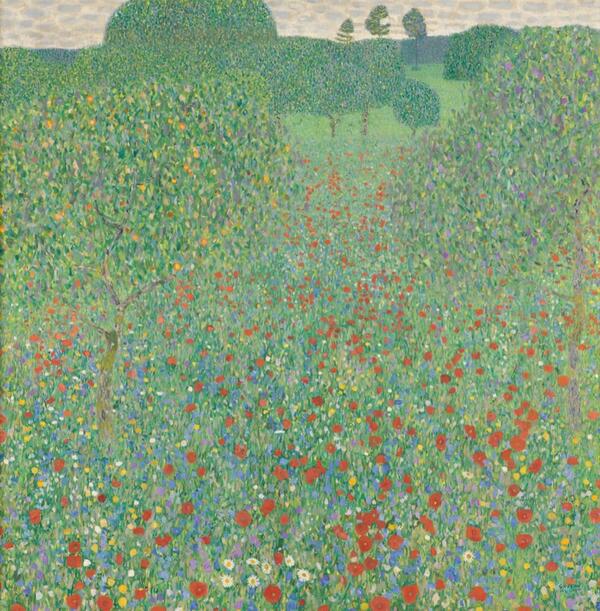
Blooming Poppies
1907
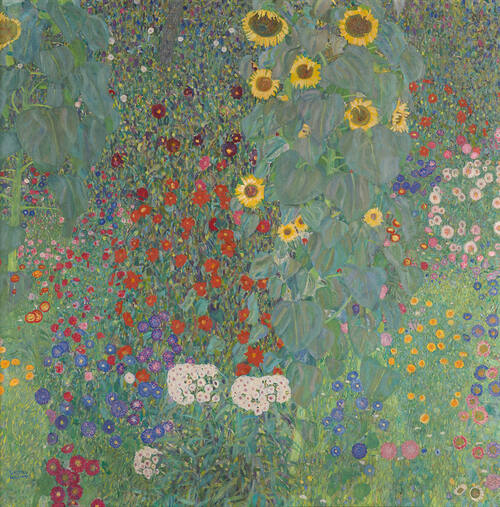
Farm Garden with Sunflowers
1907
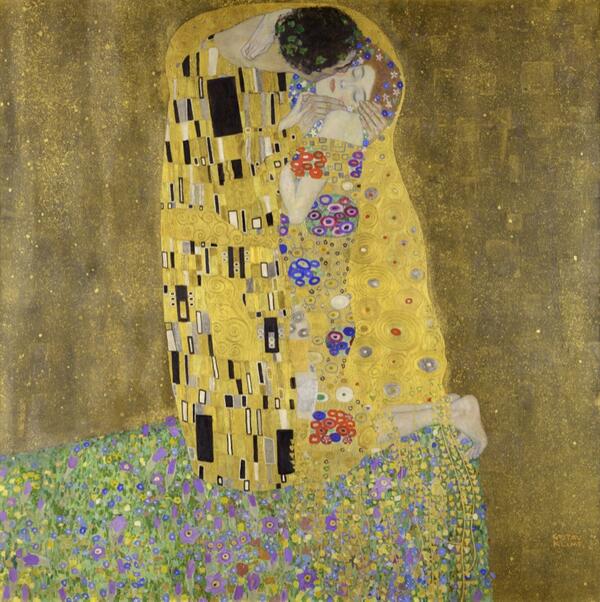
The Kiss
1907–1908
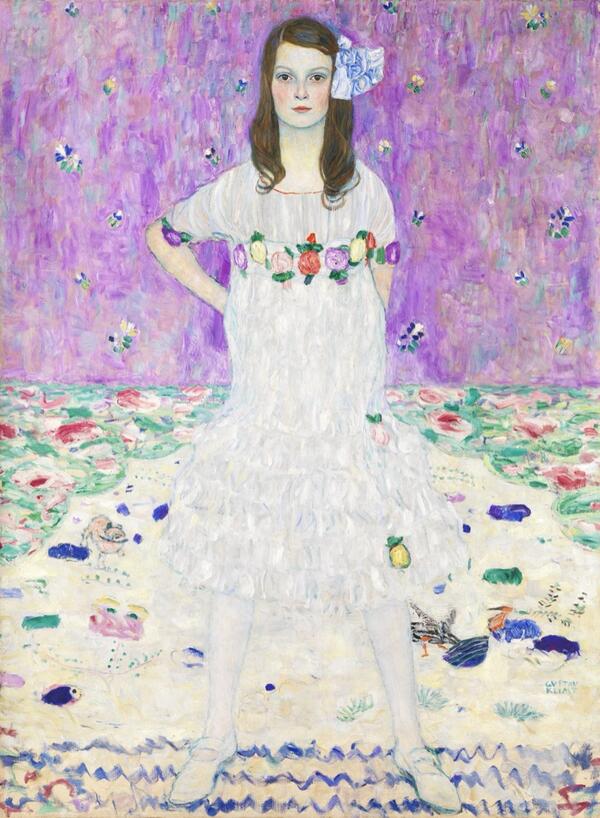
Mäda Primavesi
1912–1913
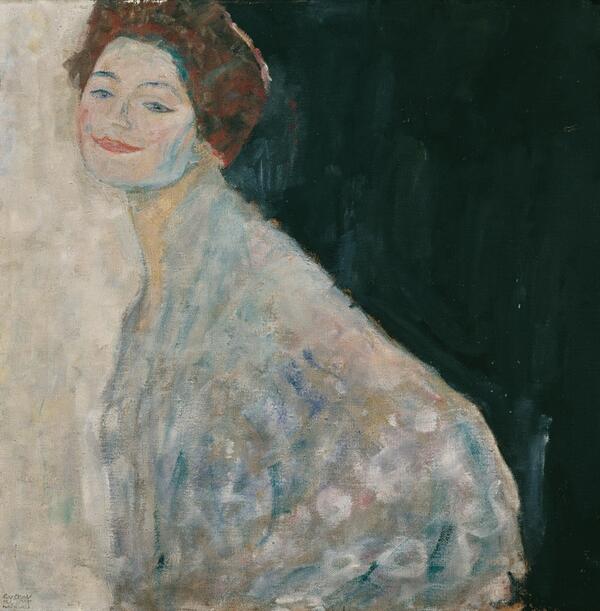
Lady in White
1917–1918
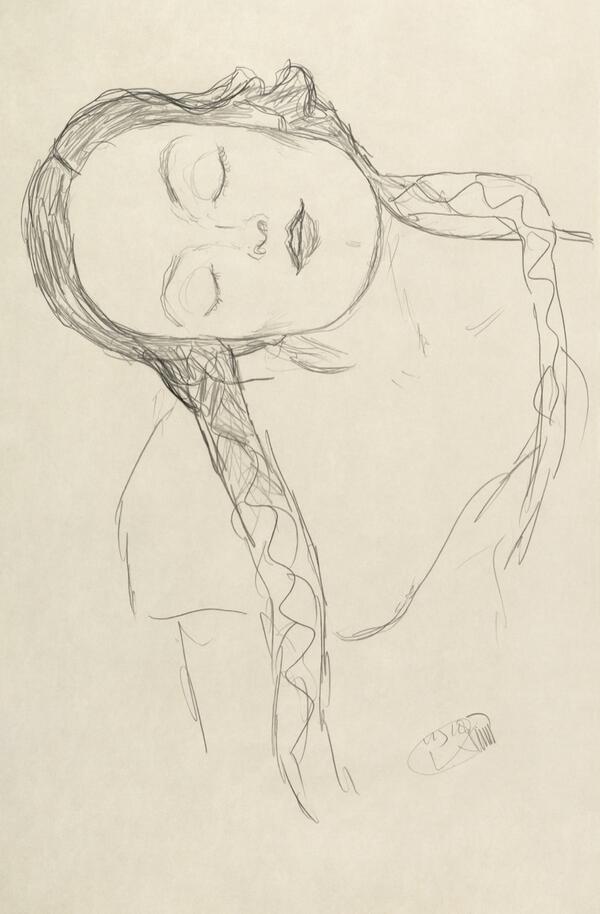
Half-figure of a Young Woman
1918
Gustav Klimt (1862–1918) was an Austrian painter who became the central figure of Vienna's artistic avant-garde. Son of a gold engraver, he trained in architectural decoration before turning to fine art. In 1897, he led a group of artists out of the conservative establishment to form the Vienna Secession, with the motto: To every age its art. To every art its freedom.
His career moved through distinct phases: early academic work, the radical "Golden Period" (1899–1910) featuring gold leaf and Byzantine patterns, and a later phase of more colorful portraits and shimmering landscapes painted at Lake Attersee.
Klimt merged decoration with psychology. His figures — mostly women — dissolve into ornamental pattern, their bodies becoming extensions of fabric and gold. Erotic charge runs through much of his work, balanced by an almost religious formality. He saw no boundary between fine art and applied art; a painted portrait demanded the same attention as a decorative frieze.
Art is a line around your thoughts.
Gustav Klimt
His influence extends beyond painting. The flat, decorative quality of his work anticipated Art Deco and continues to resonate in fashion, design, and interiors. Klimt prints remain among the most popular choices for home décor: bold enough to anchor a room, warm enough to live with.
Upload any image to find every size it can print at gallery-quality resolution. Crop, export, and it's ready for the printer.
Free to use. Private by design. No account required.
Try your image